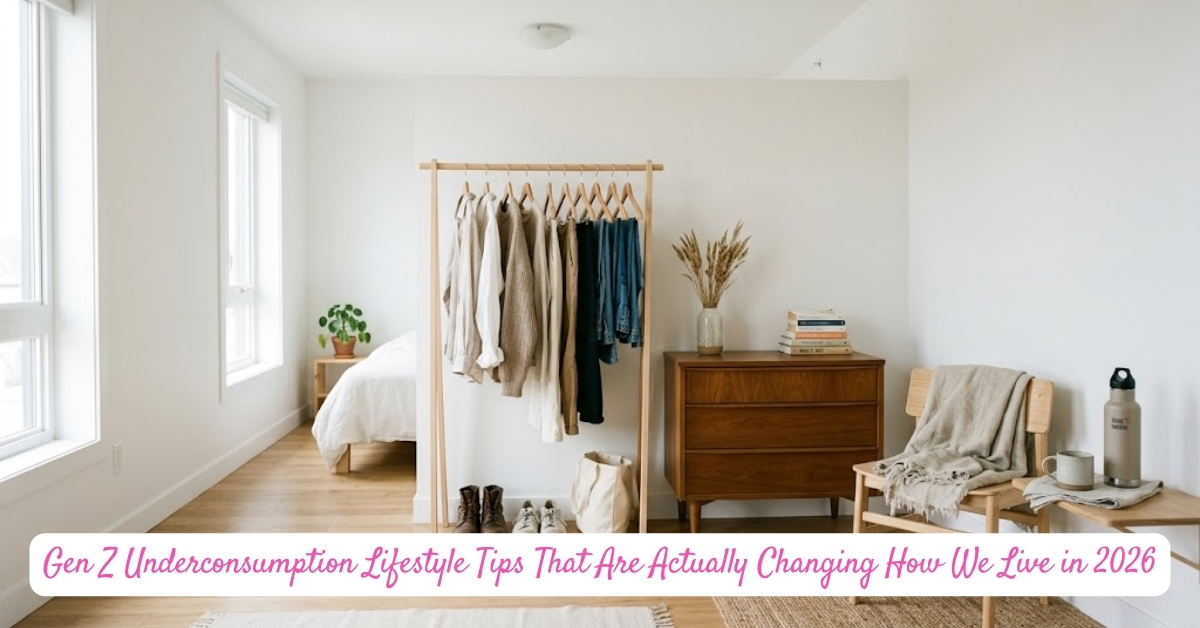
The Gen Z underconsumption lifestyle is not a trend anymore, there has been a complete transformation of culture where the older generations were taught that if they bought lots of things, they would be happy. In contrast to older generations who believe that consumers should buy more to find happiness, generational Z is demonstrating, in many ways, that consumers should consider buying less to find happiness. And to be honest, those people are beginning to figure this out.
In 2026, the cost of all basic goods continues to go up at rapid rates and the housing market is still crazy, but the average person is still making enough money (or has money saved) to be able to purchase the newest stuff. However, many younger and other consumers are saying, “No way!” to purchasing the newest products and services and instead have determined that it is not worth buying them. This Gen Z underconsumption/consumer lifestyle and mentality has been a result of generational Z determining for themselves what is or is not valuable. This deserves a longer discussion than five seconds on TikTok.
What Even Is Underconsumption and Why Gen Z Started It
To speak truthfully – Underconsumption Core exploded on TikTok in or around 2024 but has since evolved into something considerably larger than it was originally. Originally, Underconsumption Core consisted of people posting videos & pictures showing off half-used makeup, shoes in need of replacing and capsule wardrobes only fitting into carry on bags when travelling. Now (2026), Underconsumption Core is less about aesthetics & more of a true lifestyle belief system.
The millennials of Gen Z saw the fast fashion market destroying the planet, saw their parents stressing out about being in debt & saw all of these celebrities/influencers trying to sell them stuff they really didn’t need so at some point, a light bulb came on in their heads. The Gen Z underconsumption lifestyle became a quiet rebellion, not loud, not preachy, just intentional.
Using What You Have Until It’s Actually Gone
While it seems like common sense at first glance, I can assure you that we are taught to throw out items before they can no longer be used. Half of a jar of cream in the cupboard? You go ahead and need to buy a new one. One small hole in your favourite jeans? They are going to donation.
The idea behind under-consumption is to use things until they can no longer be used at all. Musicians such as Billie Eilish, and artists such as Lorde, have actually stated publicly that they are not interested in having excess things, as they prefer to give their energy into their work instead of into the materialistic things around them. This attitude is being more openly embraced by many in their daily lives.
The “Finish It First” Rule
You should finish whatever you have before purchasing anything new within these categories of products or foods: Skin Care Products, Food Items, Clothing Items, Stationery Items. This one rule will save you a tremendous amount of money and improve your mental balance. Your shelf of items will appreciate your compliance with this guideline too!
Building a Wardrobe That Actually Works for You
The most interesting aspect of how Gen Z is living an underspending lifestyle is in fashion and on a platform like this one. It is not that Gen Z has to stop paying attention to their style, but rather that they should begin to think smarter about their style choices. The current trend of fashion is moving away from chasing trends to developing a wardrobe of pieces that individuals truly love and will use for a long time. Take Zendaya as an example, whether she is wearing a vintage archive dress or a custom gown, she wears it with purpose and is intentional. This is the direction in which fashion is Going.
Quality Over Quantity Is Not a Cliché Anymore
Buying one quality jacket as opposed to purchasing four inferior quality jackets is not pretentious; it is the more economical choice in terms of cost-per-wear (i.e., how many times will you wear an item before it becomes unwearable). A top that costs £20 that you will only wear twice is more expensive than a top that costs £80 that you will wear forty times. Therefore, the math will remain the same.
The Digital Declutter Nobody Talks About
Underconsumption is commonly associated with tangible items like food and clothing. However, underconsumption can also be observed in the digital world, particularly with Gen Z’s focus on intentionally consuming digitally.
The actions of canceling subscriptions to services/brands you do not use, turning off notifications on your devices, or using your time and resources to shop less, could also be seen as forms of managing your attention as a resource to prevent overconsumption.
Repairing, Swapping, and Secondhand First
Thrifting was a popular trend among Generation Z; however, by 2026 it had evolved into many different things beyond just a popular trend. People were sewing back together clothes to be worn again, they were swapping clothes with their friends, going to swap events to get new clothes, and secondhand clothing was now treated as the primary option for buying clothes, instead of being seen as an option of last resort.
SZA and Solange, for example, are two artists who have always included vintage-inspired and thrifted clothing in their styling choices without making it look like they have not carefully planned out what they are wearing. The overall theme is that secondhand means there is nothing wrong with how you dress.
How to Actually Thrift Well
When you thrift shop in 2026, you have to be patient and specific about what you want. Make sure you know what type of clothing you are looking for and have a list of items your wardrobe doesn’t have. The best way to thrift is not to buy things you don’t need just because they are inexpensive; that is considered fast fashion.
Cooking More, Ordering Less
Food is one of the biggest areas where the Gen Z underconsumption lifestyle is making a genuine financial difference. The cost of using delivery apps, convenience food and the general shock at bank statements each month has been staggering. Learning how to cook, even just getting 10 basic recipes down (and understanding how to prepare them), will change all of this for you. You don’t need to be an expert cook. All you really need to know is how to make yourself a meal without paying £15 for a takeout meal that came to you room temperature. That’s all there is to it.
Saying No to Haul Culture Without Being Sanctimonious About It
Here’s the thing, nobody wants to be lectured. The Gen Z underconsumption lifestyle works best when it’s not performative. You are not required to create a video about how to stop buying stuff. You do not have to make someone feel guilty for doing hauls. Instead, choose differently and carry on with your own life.
The strongest version of this does not exist on the Internet. It exists solely in reality. It is what is so simple, so intimate, that it is the act of selecting something not to be purchased, and not feeling like you lost out on anything, because you simply did not.
What This Means for Your Mental Health
Too often we neglect talking about the exhaustion of over-consuming and keeping up with all the newest trends, aesthetics and what everyone else is doing, as well as the anxiety associated with it. When you take the pressure off by adopting a mindset of underconsumption, you can discover what is most important to you.
When you separate your self-worth from the items you own, you can find out what things mean to you. When you are of a generation with incredibly high levels of anxiety and burnout, it’s almost like you can finally breathe.
The Gen Z Underconsumption Lifestyle Is Not About Deprivation
So let’s close on this note, no matter what you’ve heard, this is NOT just a way to hurt yourself or not to buy nice things, and I assure you that it is NOT a “poverty” costume nor an anti-fashion statement.. it is simply about being thoughtful and choosing how to spend your money, time and energy on what you think is worth it to you. and releasing to the universe everything you do not feel you need.
In 2026, with what has been going on in the economy and the environment; to be a consumer of fewer products is no longer a personal choice, it is a political statement. The best part of this lifestyle is that it looks different from person-to-person; there are no ‘rules’; no ‘checklists’, no ‘right’ way to be a minimalistic or anti-consuimer.
So just start from where you currently are, use what you already own, and let go of the belief that ‘more of everything’ is the answer… because it is not! For an entire generation, this no longer applies.