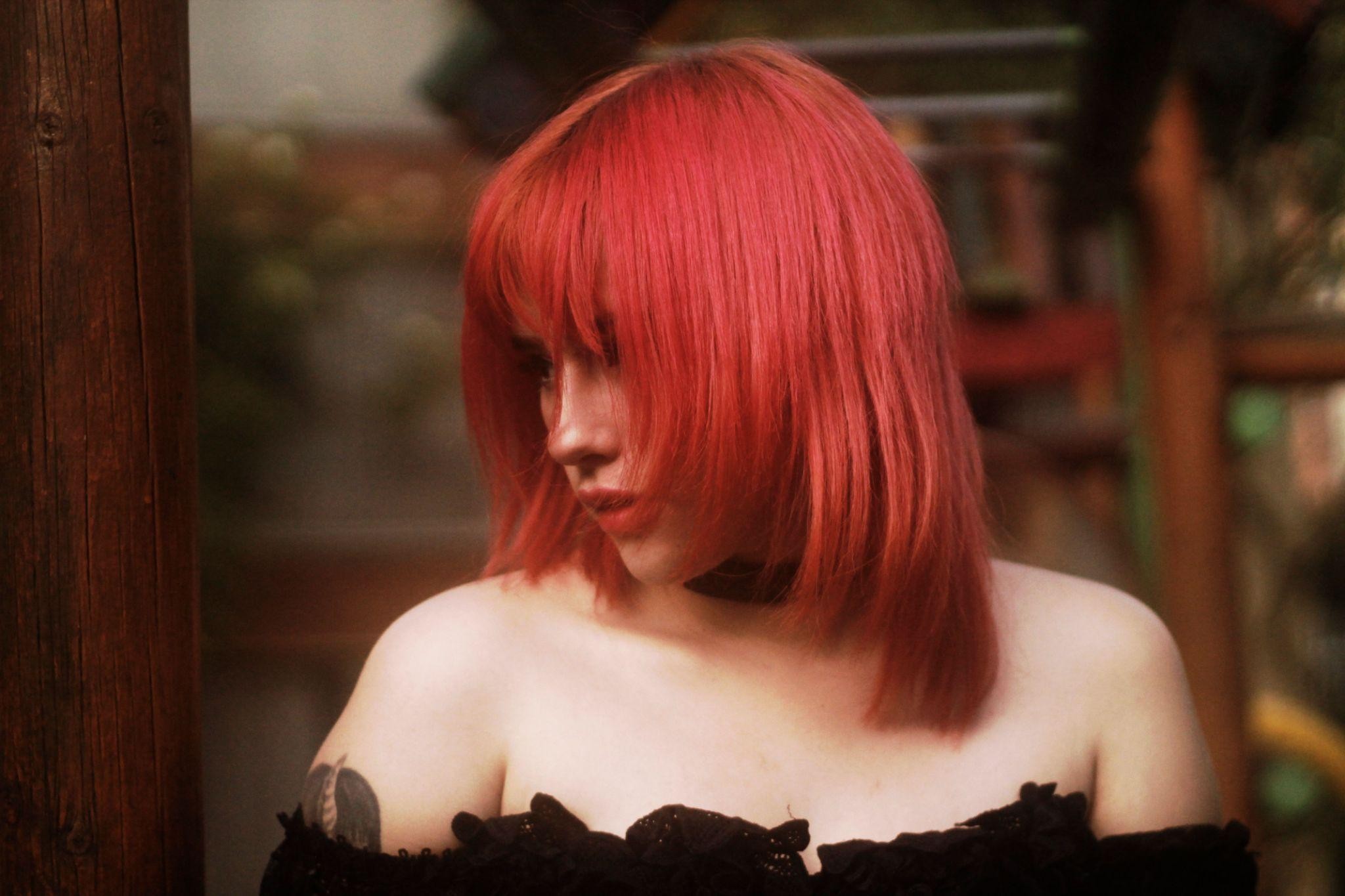
I didn’t ease into red gradually, testing the waters with a few highlights first. I went straight to the Rihanna 2011 era, the color that basically broke the internet back then, in one single salon appointment on a random Tuesday because I was bored, impulsive, and genuinely felt like it in the moment.
Three weeks later I was googling “why does my red hair look orange now” at eleven at night, phone light in my face, genuinely panicking about what I’d done. Here’s exactly what went wrong, step by step, and what I actually know now that I wish someone had told me before I even sat down in that chair.
Week One: When Rihanna Red Started Looking Like a Bad Decision
The color was incredible for exactly five days. Genuinely stunning, the kind of thing strangers stop you for on the street. I felt completely unstoppable.
Then it started shifting, faster than any color I’d worn before in my life, and I didn’t understand why until I actually looked into it properly instead of just spiraling about it in my group chat. Research into artificial red hair color specifically found that red pigment absorbs UVA radiation and photochemically degrades as a result, essentially acting like a light-sensitive receptor sitting right there on your strands, breaking down a little more every single time you step outside. That’s not a “you did something wrong” problem, whatever the comments section might suggest. That’s just what red pigment does when it hits sunlight, repeatedly, day after day, whether you’re careful or not.
It gets worse in the shower too, which absolutely nobody warned me about beforehand. Studies on UVA-induced hair photoaging found that irradiation during wet conditions accelerates photodegradation specifically, meaning the exact combination I was doing constantly without thinking twice, washing my hair and then walking straight outside with it still damp, was quietly speeding up the exact fading I was desperately trying to avoid the whole time.
What I Actually Needed From the Start
Looking back on the whole thing, my actual mistake wasn’t the color choice itself. It was walking out of that salon with absolutely zero plan for what came after, like the appointment was the finish line instead of just the start.
I’d been using whatever random drugstore shampoo happened to already be sitting in my shower, the same bottle I’d used for regular brown hair for two years straight, on a color that needed genuinely specialized care from day one onward.
That’s the gap that actually tanked my red faster than the sun ever could have on its own. Products for colored hair aren’t a marketing gimmick aimed at getting you to spend more money for no real reason, whatever the cynical part of me assumed going in.
They’re formulated specifically to slow down exactly the degradation my hair was already going through daily, on a molecular level I couldn’t see happening. Once I actually looked into Davines’ colored hair range, the difference between a color-specific formula and whatever generic bottle I’d been reaching for out of habit became obvious within about two washes, not weeks of waiting around.
I wish I’d known this before day one instead of learning it the hard way through a full bottle of regular shampoo, a lot of unnecessary panic, and one very stressed late-night search history.
The Damage I Didn’t See Coming
Red fading isn’t just about the color itself disappearing down the drain. It’s actually changing the structural integrity of your hair while it happens, whether you notice it in the moment or not.
Research on UV exposure and hair fiber integrity found that ultraviolet radiation alters the mechanical properties of hair, specifically affecting the disulfide bonds that give strands their strength and structure in the first place. That’s not just a color problem happening on the surface, easy to ignore. It’s a structural one happening underneath, which explains why my ends started feeling genuinely different a few weeks in, rougher, more prone to snapping when I brushed it, not just a shade lighter than when I left the salon that first day.
A separate study testing antioxidant formulations on UV-exposed hair found that protein and lipid degradation increased measurably after sun exposure, alongside visible changes in color and shine that anyone can spot from across a room. Sunscreen for your face is obvious to everyone. Nobody actually tells you your hair color needs the same kind of protection, especially once it’s already been chemically processed and stripped of its natural defenses.
What I’d Actually Do Differently
If I could redo the whole thing tomorrow, the color choice wouldn’t change one bit. The prep absolutely would, completely and from the very first day.
I’d have a color-specific shampoo and conditioner already sitting in my shower before the appointment even happened, not scrambling to buy one three weeks in once things already looked visibly rough and I was googling frantically at midnight. I’d have known that wet hair sitting in direct sun is doing real, measurable damage, not just drying naturally the way I lazily assumed, and planned around that instead of ignoring it completely like it didn’t matter. And I’d have accepted upfront that red needs actual, consistent maintenance, not the “wash and go” routine that worked perfectly fine for my old boring brown hair for literal years without a single complaint.
Was It Worth It
Genuinely, yes, even with the mid-process panic and the emergency toning appointment I had to book on short notice to save it.
Going full Rihanna red taught me more about my own hair, and how it actually works, than years of boring brown ever bothered to. I just wish I’d learned the actual science behind it before the color started fading instead of after the fact, sitting there at eleven at night wondering what I’d done wrong, when the honest answer was: nothing dramatic at all, just red being red, and me being completely unprepared for it.