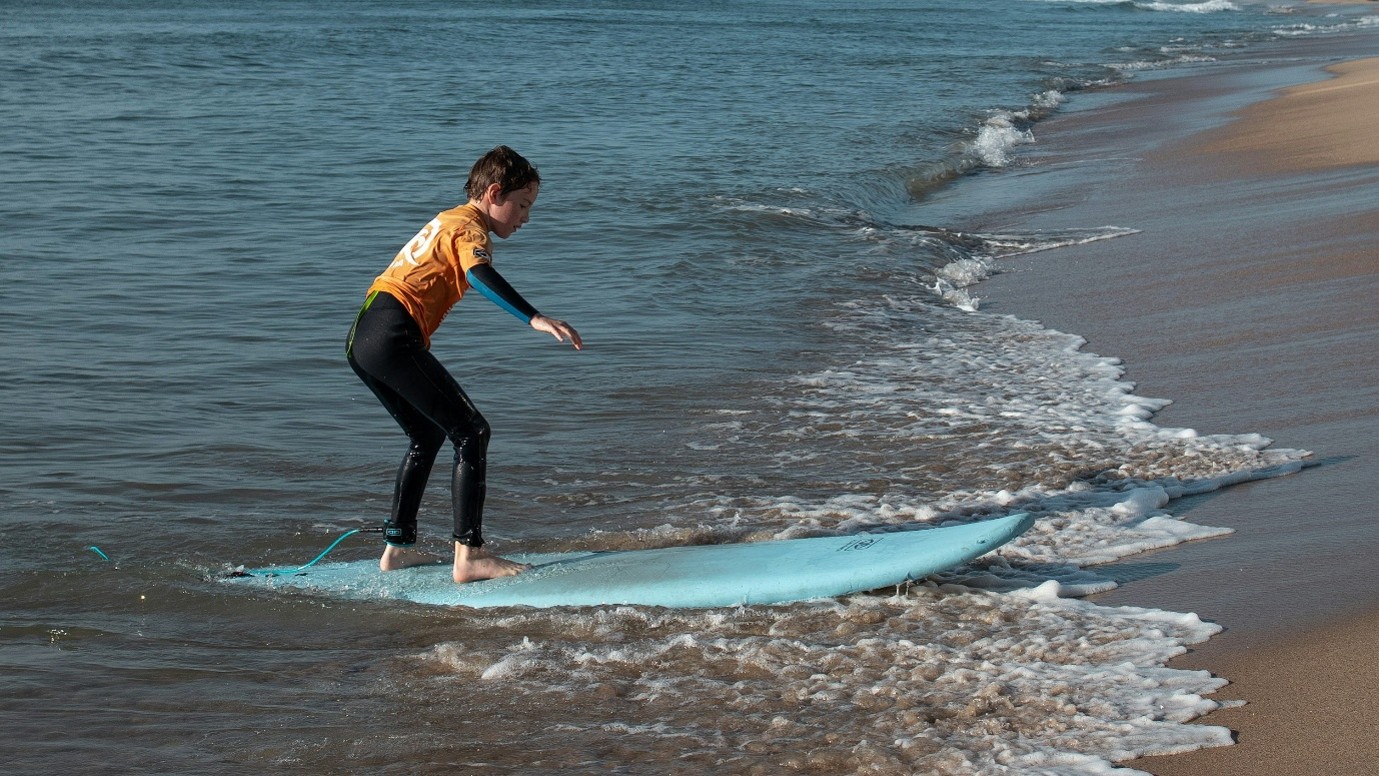
Beach Haven is a coastal community on Long Beach Island, New Jersey, known for its sandy shoreline, summer atmosphere, and access to the Atlantic Ocean. Its beaches attract families looking for outdoor activities, and surfing can be an exciting way for children to build confidence while enjoying the water. However, choosing the right time to begin depends on a child’s comfort level, swimming ability, and readiness to follow instructions.
Families considering private surf lessons at Beach Haven can benefit from one-on-one guidance that allows an instructor to adjust the session to a child’s age and experience. Individual attention can make it easier for young beginners to learn basic techniques at a comfortable pace.
Many children can begin introductory surf lessons around ages 5 to 7, provided they are comfortable in the water and can follow safety instructions. There is no universal starting age, though. A child’s maturity, swimming skills, physical coordination, and the surf conditions matter more than age alone.
The Best Age Range for Beginner Surf Lessons
Children develop water confidence and coordination at different rates. Some may be ready for basic instruction at age 5, while others may benefit from waiting until they are 7 or older.
Ages 5 to 7: Building Water Confidence
At this stage, lessons should focus on getting comfortable with the ocean, learning basic board positioning, and understanding simple safety instructions. Short sessions and beginner-friendly boards can help keep the experience enjoyable.
Parents should check whether the instructor has experience teaching young children and whether the lesson format suits their attention span.
Ages 8 to 12: Developing Basic Surfing Skills
Many children in this age group have better coordination and can follow more detailed instructions. They may be ready to practice paddling, balancing on a board, and standing up with assistance.
Private instruction can help children work on individual challenges without feeling rushed to keep up with a group.
Why Private Lessons Can Help Young Surfers
Individual lessons allow instructors to adapt teaching methods to a child’s learning pace. A nervous beginner may need more time to become comfortable in shallow water, while a confident child may be ready to practice catching small waves.
Parents can also discuss specific goals with the instructor, such as improving balance, learning ocean awareness, or preparing for group lessons.
Fun Fact About Surfing
Surfboards were traditionally made from solid wood, and some historical Hawaiian boards were extremely long and heavy compared with many modern beginner boards. Today, lighter foam surfboards are commonly used for teaching because they are easier for beginners to handle and can provide a more forgiving learning experience.
Safety and Readiness Matter More Than Age
Before booking a lesson, parents should consider whether their child can swim, listen to instructions, and remain calm around moving water. A child who is hesitant about the ocean may need time to build confidence before attempting to catch waves.
A qualified instructor should explain beach conditions, equipment, supervision arrangements, and the appropriate lesson area. Lessons should take place in conditions suitable for the child’s ability, with safety equipment and clear instructor guidance.
Preparing Children for Their First Surf Lesson
A little preparation can help children feel more comfortable:
- Practice basic swimming and water confidence.
- Explain that falling off the board is a normal part of learning.
- Choose comfortable swimwear and suitable sun protection.
- Bring drinking water and a towel.
- Follow the instructor’s advice about arrival time and equipment.
- Avoid pressuring children to stand up or catch waves immediately.
Key Takeaways
- Many children can begin introductory surf lessons around ages 5 to 7.
- Swimming ability, confidence, and maturity matter more than a specific birthday.
- Older beginners may be ready to develop paddling and standing techniques.
- Private instruction allows lessons to match each child’s learning pace.
- Safe surf conditions and qualified supervision should always come first.