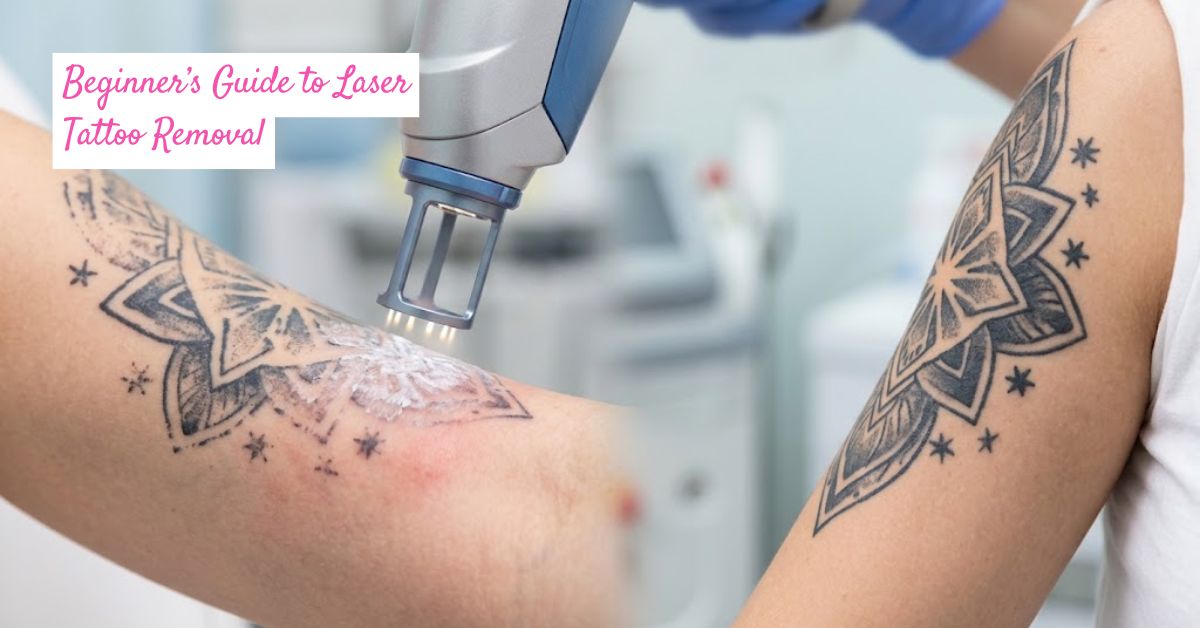
Getting a tattoo takes an afternoon. Getting rid of one takes months, sometimes years, and a very specific understanding of how skin and pigment actually interact with light. If you’re staring at a piece of ink you no longer want and typing “how does tattoo removal even work” into a search bar at 1 a.m., this guide covers the basics you need before booking a consultation.
How the Laser Actually Breaks Down Ink
Tattoo ink sits in the dermis, the layer of skin beneath the surface, as particles too large for your body to clear on its own. A laser fires short, high-intensity pulses of light that pass through the top layers of skin and get absorbed by those ink particles specifically, not the surrounding tissue. That absorbed energy shatters the pigment into much smaller fragments.
Once the ink is fragmented, your immune system takes over. White blood cells called macrophages gradually carry the tiny particles away through the lymphatic system, the same way your body clears other cellular debris. This is why removal isn’t instant. The laser breaks up the ink in seconds, but your body needs weeks between treatments to actually flush out what’s been fragmented.
Most clinics use Q-switched or picosecond lasers, and different wavelengths target different ink colors. Black and dark blue respond best because they absorb a broad range of light wavelengths. Yellows, greens, and light blues are notoriously stubborn and may need a laser tuned to a very specific wavelength to break down effectively.
What a Session Actually Feels Like
Expect a sensation often compared to hot rubber bands snapping against skin, or grease popping from a hot pan. Most practitioners apply a topical numbing cream 30 to 45 minutes before treatment, and many use a cooling device or ice directly on the area during the pulses themselves.
Session length depends entirely on tattoo size. A small piece, like a name on a wrist, might take under a minute of actual laser time. A full back piece could take 45 minutes or longer. Immediately afterward, skin typically turns white or frosted, then reddens and swells slightly, similar to a mild sunburn.
How Many Sessions to Actually Expect
This is the part beginners underestimate most. A single tattoo rarely disappears in one or two visits. Most tattoos require somewhere between 6 and 12 sessions, spaced 6 to 8 weeks apart, to fade significantly or clear completely.
Amateur tattoos done with a single needle and less ink density often clear faster, sometimes in 4 to 6 sessions. Professional tattoos, especially those with layered colors or heavy black outlining, can take 10 or more. Cover-up tattoos, where one design sits on top of another, are typically the slowest to treat because there’s simply more ink packed into the same area of skin.
Factors That Speed Up or Slow Down Results
Ink color plays a huge role, as mentioned, but so does ink depth. Tattoos applied by an inexperienced artist sometimes sit too deep or too shallow in the skin, which can make removal less predictable. Skin tone matters too, since lasers calibrated for lighter skin can cause pigment changes in darker skin if the wrong wavelength or setting is used.
Your immune system’s efficiency matters as well. Younger patients and those who exercise regularly, which improves circulation and lymphatic flow, often see faster clearing between sessions. Smoking has the opposite effect, slowing the body’s ability to clear fragmented ink and generally reducing treatment success rates.
Location on the body affects speed too. Areas closer to the heart, like the chest and upper arms, tend to clear faster than hands, feet, or ankles, where circulation is naturally slower.
Aftercare That Actually Makes a Difference
Treat the area like a minor burn for the first 48 hours. Keep it clean, apply a fragrance-free moisturizer or the ointment your provider recommends, and avoid picking at any blistering or scabbing that forms. Picking increases the risk of scarring and can actually push ink deeper rather than helping it clear.
Sun exposure is the biggest threat to healing skin between sessions. UV rays can cause pigmentation changes and interfere with the fading process, so covering the area or applying SPF 30 or higher for at least two weeks after each treatment isn’t optional if you want even results. Skip the gym or anything that causes heavy sweating for at least 48 hours, since sweat can irritate freshly treated skin.
Finding the Right Clinic
Not every place offering laser tattoo removal uses the same equipment or has staff trained to adjust settings for different skin tones and ink types. Ask what type of laser is used, how many wavelengths it offers, and whether a practitioner or nurse will be assessing your tattoo before each session rather than running every client through the same generic settings. Reputable providers, including those offering professional laser tattoo removal in Melbourne, typically offer a free consultation where they’ll examine the tattoo’s ink density and give a realistic estimate of the number of sessions needed rather than a vague “it depends.”
It’s also worth asking about pricing structure upfront. Some clinics charge per session, others offer package deals that work out cheaper over a full treatment plan, and prices vary significantly based on tattoo size.
Setting Realistic Expectations From the Start
The single most useful thing to understand before your first appointment is that removal is a process measured in months, not a one-time fix. Going in with a realistic timeline, a commitment to sun protection between sessions, and a clinic that actually assesses your specific tattoo rather than applying a one-size-fits-all approach will save you both time and frustration long before the ink is gone for good.