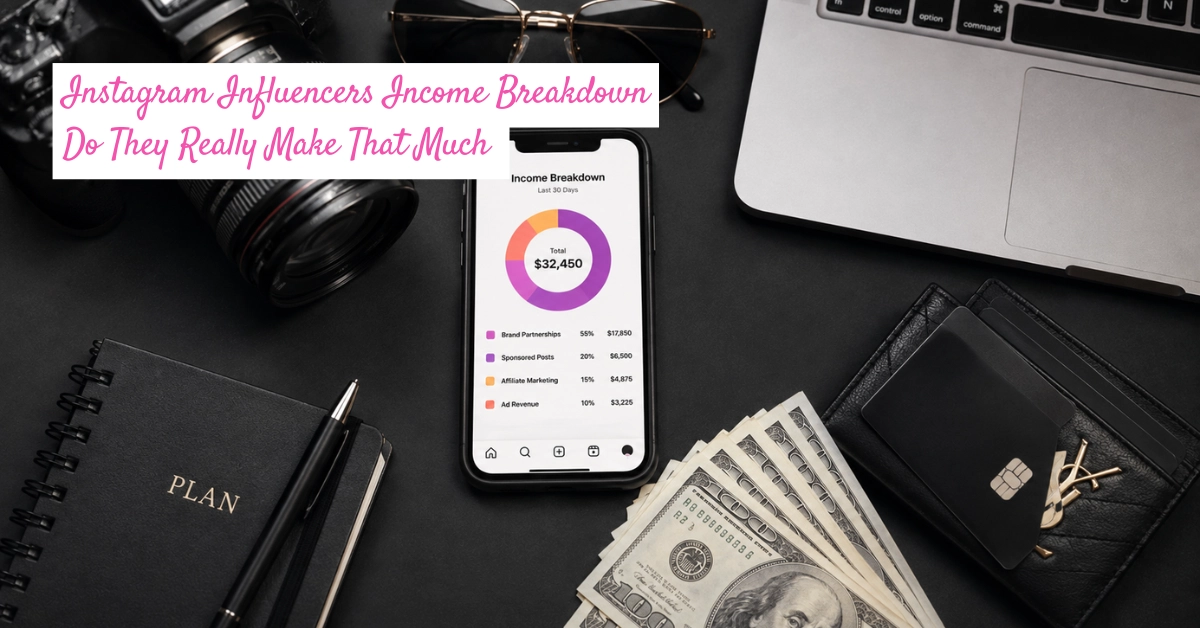
When you see someone’s picture of a perfectly lit hotel breakfast in Bali with a caption such as “so grateful,” how does it sound to you?When you scroll past someone’s photo of a perfect, lit breakfast at their hotel in Bali with a caption like “so grateful,” how does that sound…? How’s this the job? Does Insta-Scrooge McDuck have to swim in cash or is it just a very well-framed mirage thanks to one (1) post per month sponsored? I’ve been quietly jealous of this thing for a few years now for a combination of reasons, most of which are because I have a blog myself, but also because I cannot feel bad about my bank account, even if it is someone else’s fake-casual Story. So let’s get the actual Instagram influencers income breakdown right: that’s ‘they’re all secretly broke’ or ‘they’re all secretly rich’, and that’s just a little bit untrue and that’s a whole lot more interesting.
The Nano Tier: Under 10k Followers
Nano influencers are the little wobbles of the influencer world: cute, young, but everyone loves them because they feel real. But that authenticity is real, but not big. Nano creaters generally pay between 20 and 250 dollars per feed post, while Stories cost less, perhaps 15 to 75 dollars, and Reels will be a bit more due to video’s nature. Not many nano creators are even getting money! They’re getting a free skincare set and a “thank you so much for the collab” cute, but does not pay for oat milk lattes. To be honest im still a nano influencers with 6000 traffic a month and making like 90/100 euro for sponsored content. But we growing hard and going to 10k traffic soon,
The Micro Tier: 10k to 100k Followers
Where things get a bit more real, and a bit wacky depending on niche. Beauty, finance, lifestyle, and other genres bring in more than 200 dollars per post, but micro influencers can earn between 200 and 2,500 dollars. More than just numbers on a follower list, engagement rate is important here — a micro creator with a loyal following that responds to content will have a higher engagement rate than someone with double the number of followers and no one commenting.
The Macro Tier: 100k to 1 Million Followers
This is essentially the definition of macro influencer and they are essentially small media companies. The prices here range from $2,500 through $20,000 per post, and pap packages (reel, Story, post and usage rights) are very common. This is where it starts to feel a little more like a full-time job, if the brands continue to roll in the same, consistent way, which, in the case of this girl, many times don’t.
The Mega Tier: Over 1 Million Followers
The Mega influencers and full-fledged celebrities are the ones that support everyone’s assumption of a guaranteed fortune in influencing. Yes, and one post can sell for 15,000 dollars to hundreds of thousands of dollars, and in some extreme cases, the post can be in the millions of dollars for a mega-viral name in a hot niche. However, it’s a small one. We’re talking a sliver of a sliver of all creators on the platform. If you think you can use this group as a barometer for how much money an “average” influencer is making, thing about every actor making Marvel money.
How Dutch Influencers Actually Earn
We all have asked ourselves that question if we are living in the Netherlands like me. Anna Nooshin, Rianna Meijer and Monica Geuze are some of the top-tier influencers in the Netherlands, and they can reportedly command a minimum of 5,000 euros per sponsored post, which is bananas until you take into account the small size of the Dutch market. But smaller Dutch creators – those with a solid and engaged following but without household-name status – are churning out content on a budget of around 200 euros per post. That’s a range of 200 to 5,000 euros, and that’s just the pocket of each Instagram influencer in miniature form, taking place in one small country.
Beyond Sponsored Posts: The Other Income Streams
Sponsored posts are king, but for creators who are making a sustainable living, they’re just a piece of the pie. There’s affiliate commissions, which are large – those ‘shop my look’ type links making passive money all the time. The advantage of brand ambassador deals is that you get paid a retainer rather than just one flat, lump-sum fee. There are also stacking features, such as merch lines, digital products (templates or courses) and platform bonuses from Instagram and Meta. The influencers that are really in the money don’t count on sponsored posts and have created an entire little ecosystem.
The Uncomfortable Truth Nobody Posts About
The numbers aren’t very promising when you look at the top part of this Instagram influencers income breakdown: most influencers aren’t the hero of the story. Even the creators who seem to be doing more or less of a part-time job are making is not “quit my career” money. The top one percent, the household names, the mega tier – they totally distort our notion of the normal because that is who brands make case studies about, and the media covers. There are thousands of creators posting every day, answering all the comments on their posts, and yet not paying their phone bills for each and every viral name that pulls five figures a post.
How AI Is Reshaping Influencer Income in 2026
It’s quite an unusual year for creators, really. With AI blooming with content, organic growth is even more challenging than ever before, and building an audience from scratch is significantly longer and more consistent. Brands are also adjusting their spend, with more of it going into fewer, more effective creator partnerships than it does into tons of small deals, and some are going all the way with virtual influencers—manufactured by AI—and that’s its own can of worms. Overall, this means that entering into meaningful income as a new creator in 2026 is indeed more challenging than it was even a couple of years ago.
Blog Income vs Instagram Income
This is a topic not discussed enough. It’s possible for a blog with a good SEO and an equal number of followers to bring in more money on a regular basis than the Instagram side does. The algorithm’s “humor”, the budget of brands and the ever-present pressure of the content-treadmill dictate Instagram’s income. Having content that ranks brings in passive ads and affiliate revenue for months or years without requiring you to dance in front of the camera every day. It’s not as glamorous, but it’s a lot more stable.
The itismandystyle Reality Check
If I am being honest, I don’t pursue Instagram deals as my primary source of income, it’s sponsored content and advertising on my blog. I’m still building up to 10,000 unique visitors per month and I think it’s safe to say I’m feeling more secure about that number than I am about a Reel doing numbers this week. If you are here in that “it’s just like this other influencers’ “empire”” comparison, please note that a lot of it is smoke, a little is simply good hustle, and almost none is the whole picture.