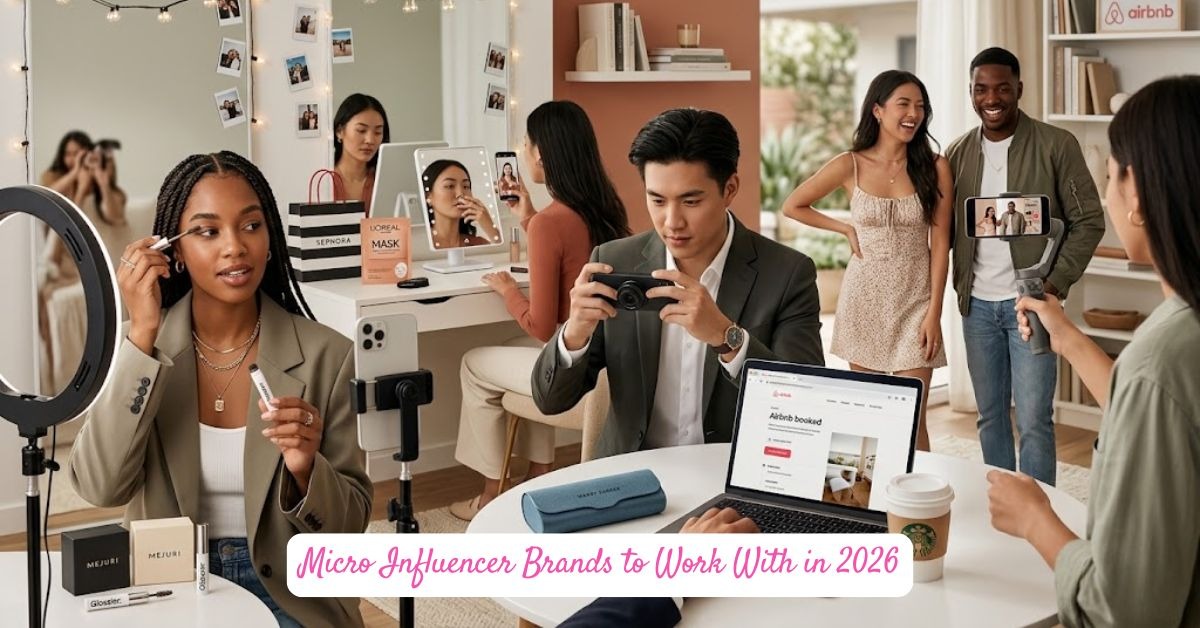
Let’s just say it how it is , the influencer industry will look completely different in 2026 than it does today. And guess what? That’s a good thing! The days when all the brand deals went to the biggest accounts are behind us, and now the influencer industry has created a space where influencers, who have something meaningful and valuable to share, can establish their influence and create successful monetization strategies. Micro influencer brands are not just a buzzword thrown around in marketing meetings anymore. A lot of influential individuals in the fashion, beauty and lifestyle industries appear to be spending hundreds of thousands on their “full on” strategic support of influencer marketing, and if you’re wondering whether your platform can attract brand partnerships despite your follower count, this will likely help dispel some myths.
Based on what we’ve seen, the data is demonstrating a far more favourable outlook for social media branding than previously thought or was widely reported.
Why Brands Stopped Sleeping on Smaller Creators
The entire marketing sector has just been turned upside down due to these new findings. On Instagram, micro-influencers are generating an average of 3.86% engagement with their followers, compared with 1.21% from mega-influencers, which is quite significant when you compare that against the engagement rate for large brands; there is definitely less than the chance of engaging with your target audience if you use the larger influencers, however, you will have more opportunity to engage with those organisations by them using smaller influencers.
In addition, Nielsen’s report indicates that 92% of customers trust recommendations from consumers more than from companies, which means consumers are more likely to buy from micro-influencers; therefore, it makes sense for businesses to continue to support the use of micro-influencer marketing as it provides a more personal level of connection. Additionally, as consumers become more comfortable with purchasing through social media platforms in 2026 (every other post will probably contain some form of advertisement), they will continue to want to hear from someone who has actually used the product but not from someone who was paid for using it and hasn’t used it before.
Companies that understand these principles are developing actual communities around genuine creators and actual creators are building successful brands and businesses that cannot be measured by just one posting on their page.
The Fashion Brands Worth Your Time
Fashion Nova
They have been vocal for several years about their Micro Influencer strategy and see no end in sight. To grow, Fashion Nova has continuously flooded Instagram and TikTok with images of outfits and clothing hauls and try-on sessions. They utilize a blend of celebrities and thousands of micro creators who share daily outfits and get ready with Me videos and club outfits. At the top level, Cardi B and Megan Thee Stallion represent what is on offer, but at the main-level, the bulk of their volume of creators is smaller creators that have been tagged and shared or featured as ”Nova Babe”.
So if you have an aesthetic that aligns with this and regularly share content, you would definitely be an option for pitching this brand.
Princess Polly
Born in Australia and obsessed with Gen Z, Princess Polly has been clever in their decisions. They sponsor micro-influencers to connect with a larger and younger audience, helping them achieve number 6 as the most preferred shopping website for teenagers in America. They have established college ambassador programs, continual gifting agreements, and collaborated with creators who already wear their designs. The most important thing is that creator’s feeds appear filled with authentic content, rather than just being another place for advertisements to go.
ASOS
ASOS has been working hard to engage small independent brands and to work together with them, offering various influencer types to wear and promote the new fashions on different social media platforms. ASOS can attract micro-influencer pitches from an aesthetic standpoint because the brand has a wide aesthetic. There is no requirement to fit a specific mould. You can do hauls, try-ons, outfit inspiration ideas, or styling videos, as long as it produces an audience-engaging performance.
Mejuri
If you’re part of the jewellery-loving and minimal fashion communities, Mejuri is on your radar. The jewellers have successfully collaborated with micro-influencers who were established fashion icons already perceived by their audiences as accessible to present their brand as ‘accessible luxury’. This framing makes their purpose very clear – they want to be aspirational however, not a traditional elitist luxury brand. Their belief is that they will work with creators who create a feeling of aspiration within their audience regarding owning beautiful items. Your content, therefore, should reside in that aspirational elevated not intimidating area , Mejuri is one of the micro influencer brands worth sliding into.
The Beauty Brands That Get It Right
Sephora
One of the most prestigious programmes for micro-influencers within the beauty industry is Sephora’s #SephoraSquad. Sephora utilises product seeding to run this campaign, and this campaign is still going strong today. The way they get their products into the hands of micro-influencers is by sending them products for free and then asking them to create honest, authentic reviews of these products. The only requirement is that the micro-influencers must include #SephoraSquad in their posts. This type of testimonial-style content seems much more like a recommendation from someone who has actually used the product as opposed to an advertisement. This authenticity is the reason Sephora’s micro-influencer marketing campaigns continue to work so effectively.
Glossier
The foundation of Glossier’s entire brand identity is that customers are brand ambassadors. The company is well-known for its method of building its PR with smaller influencers. By sending new product launches to a broad range of micro-influencers, Glossier creates authentic reviews and tutorials via social media networks, such as YouTube and Instagram. By providing the ability to create freely through creative expression, the content will feel like an actual experience, as opposed to being scripted. This is what translates to the type of content influencer’s produce that will catch Gen Z’s attention.
L’Oréal Paris
A company that learned that bigger doesn’t always mean better. Working with micro-influencers across the beauty industry to show the diversity of their product range. What makes L’Oreal appealing to smaller creators is the diversity of products available to create. There is space for skincare, makeup, haircare, wellness, etc. There are multiple avenues into this type of content creation, so if you are a creator with a defined beauty niche and an audience that trusts your recommendations, you should reach out.
The Lifestyle Brands Quietly Dominating
Daniel Wellington
One of the key brand innovators of the modern gifting + discount-code model in watches is Daniel Wellington. The leading watch brands use Instagram influencers to help promote their products by sending the influencer a watch to review and provide a discount code to their audience. This is a relatively simple method that has proven successful because it is an excellent product to photograph, and the influencer’s followers receive a benefit from the review as well as the discount code. If you have lifestyle-friendly and cleanly shot content, this would be a good option for starting brand collaborations.
Airbnb
This one surprises people but Airbnb has been quietly running one of the more creative micro influencer brand programmes out there. Airbnb recognizes the importance of collaborating with travel influencers, and particularly micro-influencers, by partnering with travel bloggers and vloggers who can showcase their locations to potential visitors. The goal of these collaborations is to inspire followers of the influencer to take a trip themselves and explore the area. Essentially, this collaboration is a two-fold pitch where you can inspire others through your travel content based on your experience within that destination. If you create travel-related content and your audience engages with you through those posts, then this would be an ideal opportunity for you to pitch today’s influencers about your experiences during your stay at an Airbnb property.
Warby Parker
Warby Parker uses small influencers in their campaigns to promote their try-at-home eyewear program. These influencers share their experiences and how they’ve styled their eyewear, which makes the experience more personal and easier for consumers to feel good about shopping for glasses and contacts. The concept of trying glasses at home provides opportunities to create content since it’s interactive, has a personality element, and provides an opportunity for the influencer to apply their unique voice to the project. Ultimately, this type of campaign provides an excellent foundation for the creation of enjoyable content by both the brand and the influencer.
What the Smartest Brands Are Looking For in 2026
This is the part nobody really talks about honestly. Getting picked by a micro influencer brand is not just about follower count and nice pictures. It is no longer just about having followers , businesses want to see how creative individuals have conversations within their community, how clearly they can express their niche, how consistently they show up, how well they tell stories, how well their content relates to the category, and what their audience thinks of them. Creative people also need to create dialogue with the audience.
Companies want to see how well someone can communicate their message through comments. Companies will look at the audience’s response following a creative person makes a recommendation. Those individuals that are being awarded brand deals in 2026 are not those with the largest follower counts but, rather, individuals who have received the greatest level of engagement from their audience, have a clearly defined audience, and are trustworthy.
Instead of developing one-off brand deals with creative individuals, consider developing an on-going influencer program or ambassador program. Having the same individual promoting your brand creates trust in the consumer that the creative person truly enjoys your product or service, creating a story that will continue long after the influencer posts the product on their page.
How to Actually Get on Their Radar
The pitch matters. A lot. Knowing which micro influencer brands to approach is only half the work. The other half is arriving with a much clearer concept of who they are and why they would be the right match for you. However, do have a media kit, know your engagement rates, and be able to clearly articulate to the brands you would like to partner with exactly who consumes your content and why your audience trusts you.
You want to ensure you are aligned with the values of the brands you are trying to work with, look at the audience demographics of the brands you want to work with and compare them to the demographics of your audience to see if there is a match, and work with brands whose products you genuinely use or would use. When you send a pitch email, that authenticity shines through. Brands can also tell if creators have given real thought to a partnership, or if they’re simply bulk sending out applications.
The creator economy in 2026 is incredibly exciting for smaller creators because the rules have changed. You no longer need to have 1M followers to be taken seriously. What is now most important! is the quality of connection you’ve created and nurtured with your audience, and if it’s a real connection, the right brands will definitely see that.