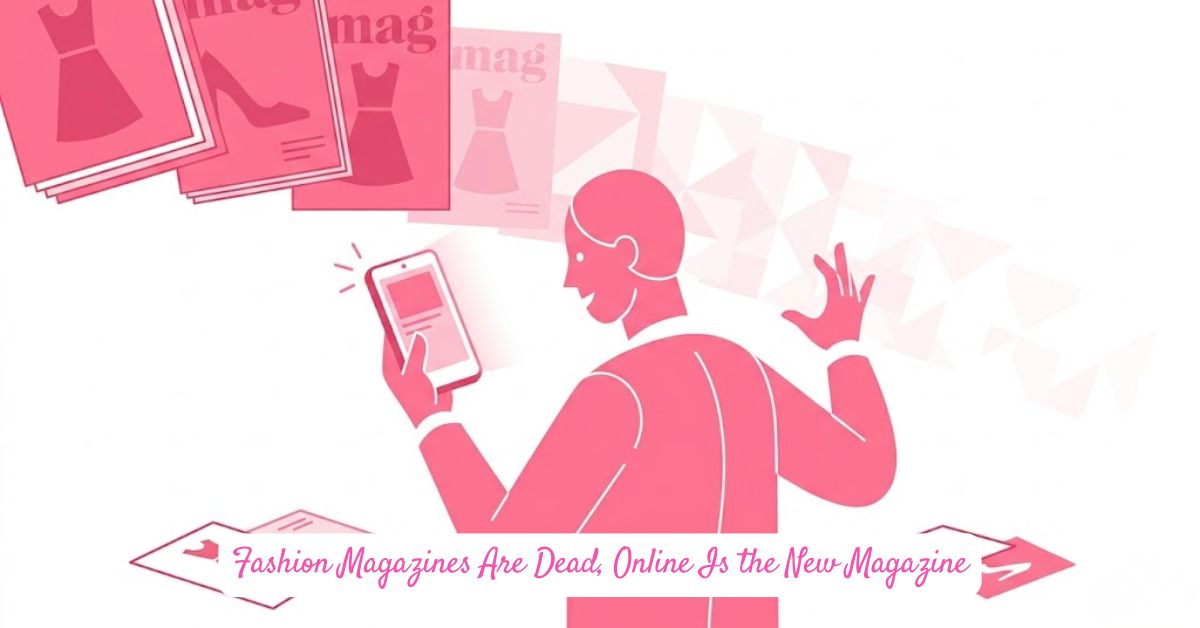
The shiny covers that used to cover our coffee stands are dusting off and frankly, it is high time we mentioned it. Just as the traditional fashion magazines are frantically trying to remain relevant, the digital revolution has resulted in an overhaul of our consumption of fashion content in its entirety. The reality is terrible and needs to be: fashion magazines are dead, online is the new magazine, and this shift isn’t just changing the game – it’s rewriting the entire rulebook.
The Digital Takeover That Nobody Saw Coming (But Should Have)
You all remember how Vogue and Vanity Fair were received as holy books? Those days feel ancient now. The pandemic only expedited a process that was already occurring: people were switching to online browsing at a higher rate than you could have inside you utter the print circulation decline.” Digital fashion magazines have become the new authority, with the feature of providing instant access to trends, real-time fashion weeks action, and interactive inventions that help to relegate the traditional magazines to a past life.
The essentiality of the fashion spot online communities has created more buzz in relation to novice designers than a print-based publication could ever achieve. Waiting a month to cover it is not necessary as you can receive real-time updates about the Milan Fashion Week in your own phone.
Why Print Fashion Magazines Lost Their Grip?
Being a sadist, we must tell the truth. Traditional fashion magazines were stuck in archaic models of business but the world passed by. They could be adapted very slowly, and they cost much to maintain, but above all, they remained out of date concerning the problem of the modern audience and their content consumption.
Advertising fees that used to support these publications have swiveled towards digital platforms radically. The brands found that they could target more groups online at a considerably much cheaper rate. Meanwhile, fashion magazines are dead, online is the new magazine became more than just a trend – it became an undeniable reality that many traditional publishers ignored until it was too late.
The Rise of Digital Fashion Powerhouses
Best online magazines aren’t just digital versions of print publications anymore. They exclusively are new creatures with feature of interactivity, video contents and real time which print could never have achieved. Online magazines such as Fashion illustrated have taken the face of fashion journalism and merged strength in editorial with advancement in technology.
These free online magazines have democratized fashion content, getting high-quality style journalism to be affordable to all people who can access the net. Daily No longer have to wait till the end of the month to get the top fashion content or be forced to use a premium subscription fee, the best fashion material is available instantaneously and usually free.
What Makes Online Fashion Content Superior?
Digital platforms can be superior, which is achieved solely by the interactivity factor. The readers can now place orders off editorial spreads and can participate in having behind-the-scenes videos and everything much in nature they previously could never do using a fixed print page. Digital fashion magazines can update their content in real-time, respond to breaking fashion news, and adjust their editorial calendar based on what’s actually trending.
The user generated content has changed the environment too. The fashion enthusiast can share the discussions around the fashion spot, and their own tips to style it as well as create communities with whom they share similar interests. This participatory nature of it makes it a better and natural fashion debate than the form of one-way communication used in traditional magazines.
The Economics of Digital Fashion Publishing
This is where it becomes interesting in terms of business. Digital publications have much lower overhead as the print magazines were letting the money flow in and going bankrupt in printing, distribution, and promotion. This economic advantage allows best online magazines to experiment with content, take creative risks, and respond quickly to audience feedback.
Magazine dreams – watch online free has become a reality for content creators who can now launch fashion publications without massive startup capital. The entry is less endowed, so various voices have an opportunity to enter the fashion media scene. The result of this democratization has seen more representative and inclusive fashion content.
The Global Reach Revolution
Unlike print magazines limited by geographical distribution, digital fashion magazines can reach global audiences instantly. A blog post in the fashion magazine in New York can be accessed in Tokyo in a matter of seconds. This world wide availability has built transnational fashion discourse which cuts across the boundaries of the traditional market.
The capability to automatically translate the content and suit the specifics of various cultures implies that fashion content will be more transparent and reflective of the global audiences. Fashion magazines are dead, online is the new magazine because digital platforms can serve niche communities that traditional publishers never considered profitable enough to target.
Content Freshness and Real-Time Relevance
The traditional magazines were monthly or quarterly and in such a way their content became outdated when they appeared. Digital fashion magazines can publish breaking fashion news, trend notifications, and live coverage of the fashion week that keeps the audiences entertained and updated as it occurs.
This immediacy goes as far as dealing with cultural instances and social concerns. Online publications can also reply promptly to an unexpected event when the topic of sustainability, diversity, or ethics needs to be discussed in the fashion world, compared to having two issues before the next print run. This situatability renders digital fashion content more topical and associated with the happenings at the moment.
The Future of Fashion Media Consumption
In the long-term perspective after 2026, the digital shift in the fashion content will also only increase. Vr/AR technologies are on the verge of changing the way we are exposed to fashion content. Free online magazines are experimenting with immersive experiences that let readers virtually attend fashion shows or try on clothes digitally.
Recommendations in the field of fashion are also getting personalized with the help of artificial intelligence, so that recommendations that meet the interests and the kind of clothing style a reader has are delivered. It is at this degree of customization that traditional print magazines could not have ended up appealing to mass audiences in order to recoup the cost of printing.
The Social Media Integration Game-Changer
The fashion spot communities on social media platforms have become integral to fashion discourse. Fashion magazine online platforms have the ability to interconnect with Instagram, Tik Tok, Pinterest, and provide the experience of multi-platform content, which is not limited to the traditional article model.
This social amalgamation enables fashion material to utilize viral marketing to access audiences much bigger than subscribers in its beginning. One trending fashion topic documented on a social platform can be seen by millions of people, which print magazines can never have due to their small readership.
Quality Content Still Matters (But Format Has Evolved)
While the medium has changed dramatically, the core principles of good fashion journalism remain important. Best online magazines still need compelling storytelling, beautiful visuals, and authoritative voices to succeed. They are however able to expand on these old elements with the interactive elements, multimedia contents, and community interaction platforms.
The most successful digital fashion magazines understand that being online doesn’t mean sacrificing quality – it implies increasing the classic editorial superiority in digital form. They mix the editorial hard work of their traditional fashion journalism with the immediacy and interactivity demanded by the contemporary audiences.
The transformation is complete: fashion magazines are dead, online is the new magazine. This is not just a transitional move but a paradigm shift in the way fashion media is being run and fashion content is being consumed. Digital platforms with access when needed, a worldwide reach, interactive and dat personalization, which was not able to be realized by traditional print versions are created to bring about endless opportunities in the future.
To fashion enthusiasts, this digital revolution will provide a superior access to various content, up-to-date trend reporting, and to participatory fashion communities. The old school is being replaced by an increasingly democratic, open, and entertaining fashion media which is able to approve of the modern generation more than it could be by print magazine.