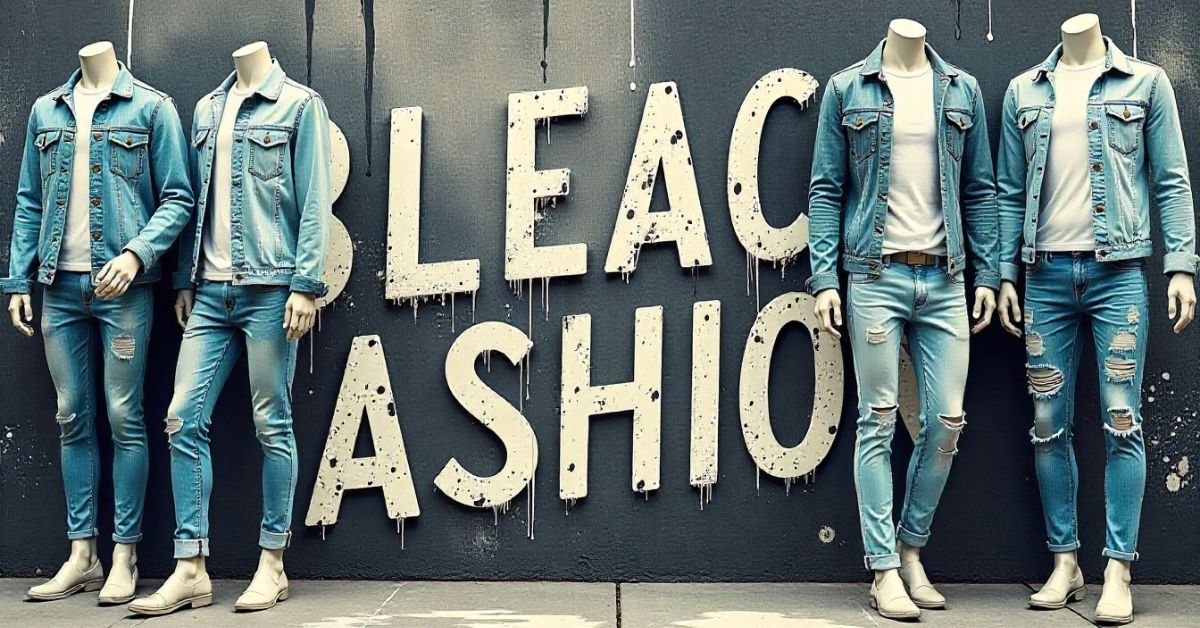
Fashion trends come and go faster than my drive to clean my apartment. But some trends have this strange knack of lingering and making comebacks that nobody saw coming. Bleach fashion is one of those rebellious trends that refuses to die. And honestly, I am here for it.
Here is what is funny. We are in 2026 and people are still out here treating bleached clothes like a brand new discovery. But here is the tea. Bleach fashion has been serving looks since the punk rock era and it is not going anywhere. What has changed is who is doing it. From your neighbour’s teenager to that influencer with 2 million followers who acts like they have never touched a bottle of bleach in their life.
The Real History Behind the Hype
Bleach fashion did not start as an Instagram trend, despite what Gen Z might think. The whole thing began in the late seventies and early eighties when punk rockers literally destroyed their clothes as a way of sticking a finger up at mainstream fashion. Artists like Sid Vicious and bands like The Clash were rocking bleached, ripped, and safety-pinned everything long before it was considered cool.
The grunge movement of the 90s took bleach fashion and ran with it. Kurt Cobain turned looking casually wrecked into an art form. Everyone fell in love with the idea of looking like they rolled out of bed and accidentally spilled bleach. Courtney Love mastered the beautiful disaster aesthetic that is still very much alive in fashion today. If you want to explore that era more deeply, this guide on 90s grunge fashion covers exactly where bleach fashion found its cultural home.
Fast forward to now and we have artists like Billie Eilish and A$AP Rocky bringing their own spin to the bleach fashion game. The difference? Now it is intentional, calculated, and probably costs more than my rent.
Why Everyone’s Obsessing Over Destroyed Clothes
Here is what cracks me up about bleach fashion. We literally spend premium money to look like we cannot do laundry properly. But there is genuine psychology behind why this trend keeps coming back.
The world has become increasingly artificial and filtered. People are craving something that feels real. In a landscape where everything is curated and edited, something that looks deliberately damaged feels like an act of rebellion. It is fashion saying a firm no to perfection.
The DIY aspect of bleach fashion also hits differently in 2026. As sustainability has finally become a serious priority, people are modifying clothes they already own rather than buying new ones. It is eco-friendly and budget-conscious. Two qualities that matter a lot right now. This fits perfectly into the broader gen Z underconsumption lifestyle movement where doing more with less is the real flex.
The Art of Strategic Destruction
Let me break down the reality of bleach fashion because there is definitely a right way and a very wrong way to do this. I have witnessed the destruction of genuinely good clothes in the name of this trend and it genuinely hurt my soul.
The secret to nailing bleach fashion is understanding that less is more. You are not trying to destroy your clothes completely. You are creating focal points. Strategic ones. Not ones that suggest you washed your clothes in a chemical accident.
Think about placement. Knees, elbows, and collar areas bleach naturally because those spots wear first on real clothes anyway. Random bleach spots scattered across an entire shirt just screams that you need adult supervision near cleaning products.
If you are looking for inspiration on how to wear this kind of edgy aesthetic with confidence, this guide on trendy edgy clothes shows how to make distressed and alternative fashion work as a complete look rather than just a single statement piece.
Celebrity Influence and Designer Interpretations
The fashion industry has completely embraced bleach fashion. But they have also kind of ruined it in the process. The moment Balenciaga starts selling pre-distressed hoodies for $800, you know capitalism has fully arrived to the party.
Rihanna has been mixing high-end pieces with DIY bleach fashion elements, creating looks that feel both luxurious and rebellious at the same time. Travis Scott has made bleached band tees acceptable in both streetwear and high fashion settings.
But here is where it gets genuinely absurd. Brands like Fear of God and Off-White are selling clothes that look like they survived a natural disaster for thousands of dollars. We have taken a trend born from rejecting consumerism and turned it into one of the most consumerist items on the market. The irony is almost poetic.
DIY Culture Meets Fast Fashion Reality
The beautiful thing about bleach fashion is that it remains one of the most accessible trends out there. All you need is bleach, some old clothes, and a YouTube tutorial. No expensive equipment, no fancy supplies. Just you, some chemical chaos, and probably a decision you will question immediately after.
Even DIY culture has not escaped commercialisation though. Bleach fashion kits and distressing tools are now sold online. As if the whole point was not to use whatever you already had sitting around.
The sustainability angle is perhaps bleach fashion’s strongest argument in 2026. People are repurposing worn-out or stained clothes and turning them into statement pieces. It keeps clothing out of landfill and gives new life to something that would otherwise be thrown away. It is upcycling with a rebellious streak. You can see this same mindset driving the conversation around is fast fashion really that bad and why more people are looking for alternatives.
Looking Forward: Where Bleach Fashion Goes Next
As we move deeper into 2026, bleach fashion is evolving beyond just aesthetic rebellion. It is becoming a statement about personal creativity, sustainability, and authenticity in an increasingly homogeneous fashion landscape.
The next wave will likely involve technology in some way. Perhaps UV-sensing bleaches that react to sunlight, or biodegradable bleaching agents that are kinder to the environment. The innovation potential is genuinely interesting.
What is also fascinating is how bleach fashion is merging with other aesthetics like cottagecore and dark academia. People are bleaching vintage pieces to create looks that feel simultaneously old and current. Time-travelling fashion on steroids, except sustainable. You can see this crossover happening in real time in the world of dark academia fashion outfits where distressed textures and vintage pieces are central to the whole aesthetic.
The Bottom Line
Bleach fashion is not going away because it represents something bigger than a visual trend. It is about owning your individuality, embracing imperfection, and making something beautiful out of destruction. In a world that constantly tries to sell us more stuff, taking what we already own and making it our own feels genuinely powerful.
Whether you are splashing bleach on a thrift store find or investing in a designer distressed piece, remember that the best bleach fashion looks come from authenticity rather than following rules. So grab that bleach, embrace the chaos, and create something uniquely yours. Just do it in a well-ventilated area. Trust me on that one.