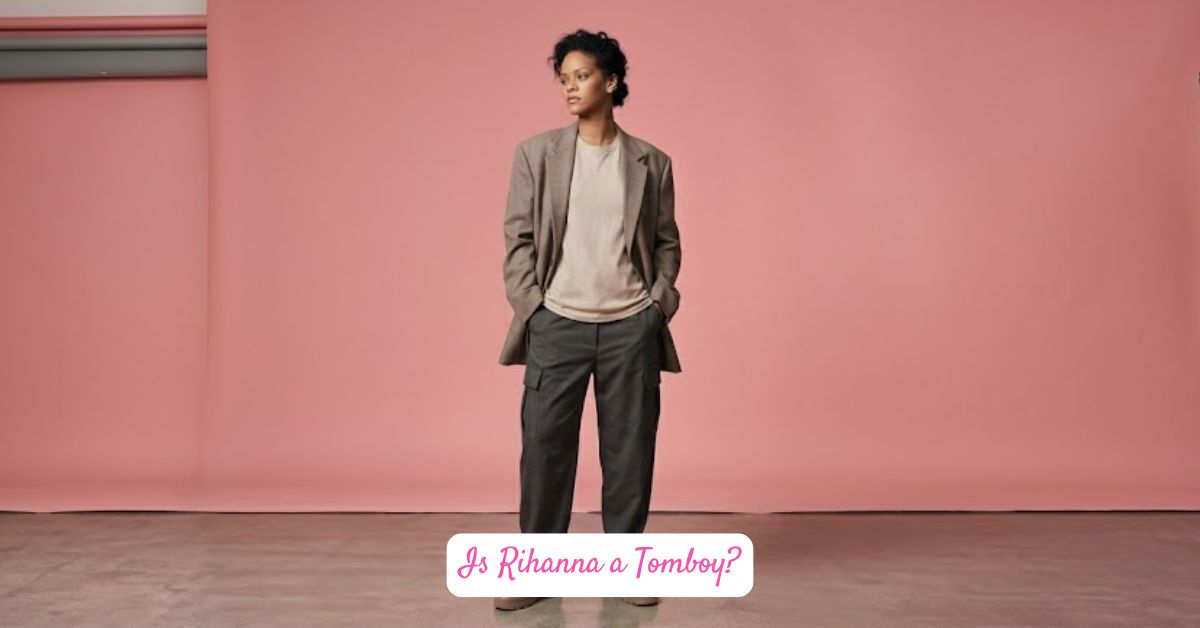
The September muse, or the less talented one. You decide!
When you think about style icons who have completely changed what it means to be a woman in the entertainment industry, the name Rihanna rolls off your tongue faster than you can yell out Umbrella. But here is where it gets interesting and yes, somewhat complicated. The question of whether Rihanna is a tomboy has been floating around fashion circles and fan forums for years. It is time to dive into this with actual facts instead of surface-level observations.
Rihanna has never been one to conform to social expectations. That is precisely what makes this discussion so fascinating. Her transformation through fashion from pop princess to business mogul to mother has been nothing short of revolutionary in terms of gender expression and personal style.
Breaking Down the Tomboy Aesthetic
Before analysing whether Rihanna is a tomboy, we need to understand what that word actually means in 2026. The tomboy concept is no longer simply a girl who wears jeans instead of dresses. It is far more complex now. It covers fashion preferences, personality, interests, and social habits.
The modern tomboy aesthetic is not about rejecting femininity and choosing masculinity wholesale. It is about taking traditionally feminine ideas and adding masculine details to create something uniquely personal. Think oversized jackets with delicate jewellery. Biker boots with a flowing gown. That grey area is exactly what makes Rihanna’s style so interesting to unpack.
Looking at artists like Billie Eilish who openly reclaims baggy fashion, or going back to Annie Lennox and Grace Jones, the tomboy label has taken on many different forms over the decades. These artists used fashion as self-expression that refused to follow gender rules. For a deeper look at how this aesthetic plays out today, most famous tomboy style icons covers the full picture.
Rihanna’s Fashion Evolution Through the Years
Back in 2005, Rihanna’s style was relatively conservative. Cute sundresses, feminine shapes, and typical teenage popstar outfits. But even then, there were early signs of the boundary-blurring fashionista she would become. Those early red carpet appearances where she paired a leather jacket with a delicate dress? That was just the beginning.
Something shifted dramatically around 2010. Rihanna began experimenting with androgynous elements and menswear pieces. Sharp suits, oversized shirts, and that notorious short haircut that had everyone questioning old beauty standards. This is probably when people first started seriously asking whether Rihanna is a tomboy.
The Rated R era marked a new chapter not just in music but in style. She began combining high fashion with streetwear, softness with edge, feminine and masculine in equal measure. One appearance she would arrive in a flowing dress. The next it was baggy pants and a snapback. That unpredictability became her signature. Nobody could put her style in a single box.
The Business Mogul Era and Style Confidence
Fast forward to 2026 and we see a Rihanna who has built fashion and beauty empires while continuing to earn her reputation as a style chameleon. Fenty Beauty changed the beauty industry by making genuine inclusivity the standard. Savage X Fenty turned traditional lingerie on its head with a focus on body positivity and real bodies. If you want a current assessment of where Fenty Beauty stands today, is Fenty Beauty still popular gives an honest breakdown.
Here is where the Rihanna tomboy question gets really interesting. As a highly successful businesswoman, she is frequently photographed in sharp suits, oversized blazers, and power dressing combinations that traditionally belong to the masculine end of the spectrum. But she balances these with overtly feminine pieces and jewellery that nod to classic glamour.
Her recent public appearances and pregnancy announcements have only reinforced this. One day an oversized vintage jersey. The next a designer dress that embraces every curve. Her fashion appetite shows no signs of settling into one lane.
What Fashion Experts Actually Say
Those within the industry have long debated whether Rihanna fits the tomboy label. The consensus is fairly clear. She is not a tomboy in the classic sense. She is a trailblazer who simply refuses to submit to gender constructs in clothing. Stylists and fashion critics consistently describe her style as gender-fluid or androgynous chic rather than tomboy.
The key distinction is intentionality. Traditional tomboys tend to favour masculine dressing because it feels more comfortable or natural to them. Rihanna appears to shift her look based on mood, message, and artistic direction rather than any fixed attachment to a single aesthetic.
Fashion weeks around the world have taken note. Designers globally are producing collections influenced by her artistic direction. Her impact on dismantling gender-based fashion categories cannot be overstated. You can see this influence reflected in the rise of are tomboy girls the future as a genuine cultural conversation.
The Personality Factor
Beyond style, personality plays a huge role in tomboy categorisation. Tomboys have traditionally been associated with so-called masculine interests. Sports, outdoor activities, cars, and a no-nonsense approach to life. Rihanna ticks some of those boxes. She has expressed genuine interest in sporting teams, professed her love of cars, and built her business empire with a sharp and direct approach.
But she is equally engaged in beauty, fashion, and nurturing. Especially since becoming a mother. The question of whether Rihanna is a tomboy based on personality alone becomes almost irrelevant when you realise she embodies both traditionally masculine and feminine characteristics with equal ease. She is competitive and business-savvy while also being style-conscious and deeply creative. That duality is part of what makes her so relatable and so influential.
Cultural Impact and Future Implications
The way Rihanna navigates gender in fashion has created a ripple effect across popular culture. Young fans watching her mix masculine and feminine feel empowered to do the same. It is not really about clothes. It is about having permission to be complex, unexpected, and fully yourself.
As we move through the rest of 2026, Rihanna is expected to keep challenging gender stereotypes in fashion. Her brands are already moving toward more unisex offerings and her personal style continues to shape designers worldwide.
This feeds into the wider cultural conversation about gender expression, identity, and the freedom to exist outside old categories. Whether Rihanna is a tomboy becomes far less important than what her style choices represent. The freedom to be whoever you want to be, whenever you want to be it. That same freedom is at the heart of is queer fashion a thing and why these conversations matter beyond just clothes.
The Verdict: Labels Don’t Define Icons
After analysing years of fashion choices, public statements, and cultural impact, the answer to whether Rihanna is a tomboy is not a simple yes or no. She is something far more interesting. She is a style shapeshifter who refuses to be restricted by gender norms in dressing.
She has incorporated elements of tomboy style at times. But she is not loyal to any single school of design or aesthetic. She has shown that in 2026, being authentic and uncategorisable is the most powerful position a fashion observer can take.
Perhaps the real question is not whether Rihanna is a tomboy but whether we need these labels at all. In a world where she can wear a three-piece suit to a business meeting and a flowing gown to a premiere, the most defiant act is simply refusing to claim either one exclusively.
What makes Rihanna truly iconic is her unpredictability and fearlessness. She has proved to an entire generation that you do not need to fit into constructed boxes to be successful, stylish, or truly yourself. And honestly, that is a far more powerful statement than any label could ever make. For more on the icons rewriting these rules right now, who are gen Z fashion icons rewriting the rules in 2026 is worth a read.