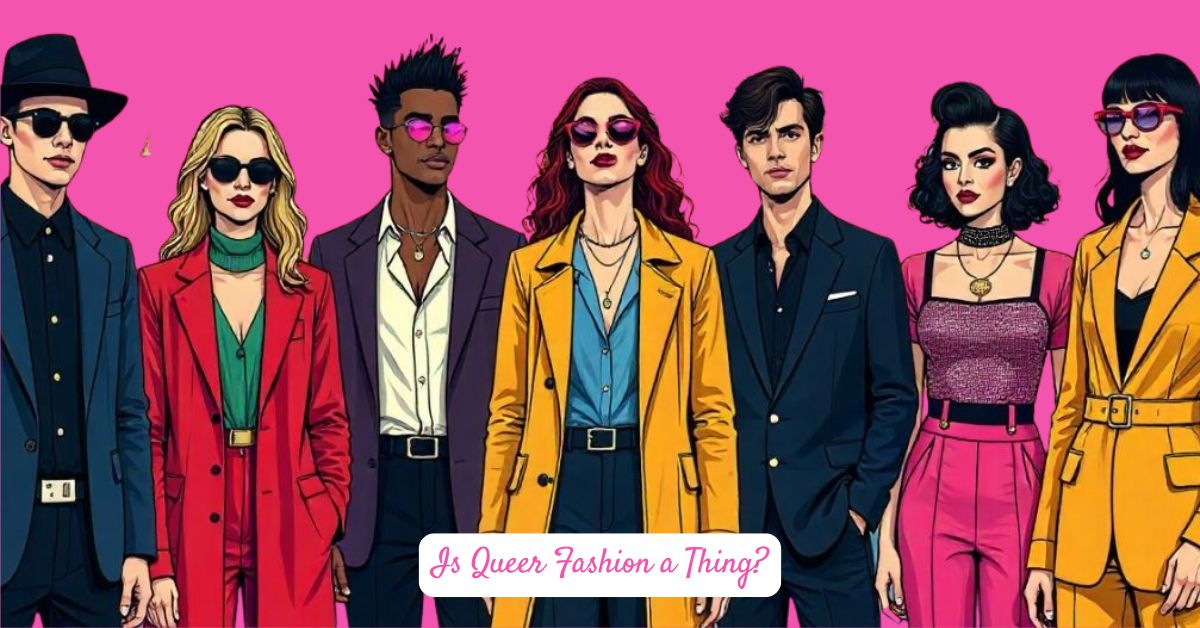
Fashion has always been a language of expression. But when we talk about queer fashion, we are diving into something beyond seasonal trends or designer labels. We are talking about how clothing can be rebellion, identity, and pure art that refuses to be contained within traditional gender boundaries.
Fashion in 2026 is finally catching up to what the LGBTQ+ community has long understood. Style has no limits. But let’s be honest. Queer fashion is not some trendy hashtag that brands can slap on rainbow collections during Pride Month. It is a legitimate movement that has been reshaping how we think about clothing, gender expression, and personal identity for decades.
The Evolution of Gender-Fluid Style
Remember when wearing certain colours or cuts automatically labelled you? Those days are becoming ancient history. Queer fashion has been quietly, and sometimes very loudly, dismantling these ridiculous rules for years.
Think about David Bowie strutting the stage in the 70s with makeup, glitter, and absolutely no apologies. He was not trying to fit into someone else’s box. He was building his own. Fast forward to today and we have Harry Styles wearing ballgowns on magazine covers while people simultaneously clutch their pearls and question why they ever cared so much about pieces of fabric.
The real shift is that this evolution is no longer just for famous people. Everyday people are building gender-neutral wardrobes, mixing traditionally masculine and feminine pieces, and putting together looks that feel more natural than anything society ever prescribed for them. This connects directly to the growing world of gender fluid clothing in 2026 and what it actually looks like in practice.
Breaking Down the Barriers
What makes queer fashion revolutionary is not just the clothes themselves. It is the thinking behind them. This movement challenges the idea that certain fabrics, colours, or silhouettes belong to only one gender.
Designers like Christopher John Rogers and Palomo Spain are creating collections that celebrate fluidity and individuality. These are not just clothes. They are statements that say you can be exactly who you are and dress accordingly.
The ripple effect is real. Major retailers have started expanding size inclusivity, creating genuine gender-neutral sections, and using a wider range of models to represent the full spectrum of human experience. It is overdue. But it is happening. For a closer look at brands leading this charge, upcoming queer fashion brands you need to know is a great place to start.
The Cultural Impact Beyond the Runway
Queer fashion is not happening in a vacuum. It is influencing mainstream culture in ways that would have seemed impossible ten years ago. Social media is full of style influencers redefining what it means to dress for yourself rather than for anyone else’s approval.
Musicians like Janelle Monae and Billy Porter are turning red carpets into gender-bending fashion statements that spark global conversations. When Porter wore that tuxedo ballgown hybrid to the 2019 Oscars, he was not just making a fashion choice. He was making history and saying something profound about who gets to wear what and why.
The conversation goes further than personal expression too. We are now talking about school dress codes, workplace dress policies, the gendering of children’s clothing, and how pink versus blue became such a ridiculous point of division in the first place. These are cultural conversations that queer fashion helped open up. You can see the broader impact in features about queer fashion icons reshaping style in 2026.
The Business Side of Authenticity
Here is where things get interesting from a market perspective. Queer fashion is not just the right thing to support. It is also smart business.
The LGBTQ+ community has significant purchasing power and is increasingly buying from brands that genuinely represent their values. Brands that jumped on the rainbow bandwagon without real commitment are being called out faster than you can say pinkwashing. Meanwhile brands with a genuine track record of supporting LGBTQ+ rights and employing diverse teams are seeing stronger loyalty and better sales.
Smaller queer-owned fashion brands are thriving because they filled gaps that larger retailers simply ignored. These brands understand their customers because they live the same experience. If you want to discover some of these labels, the best queer jewelry brands you need to know about in 2026 is worth exploring alongside lesbian fashion brands you need to know in 2026 for a fuller picture of what queer-owned fashion looks like right now.
Looking Forward: The Future of Expression
As we move through 2026 and beyond, queer fashion continues to push boundaries and challenge norms. Technology is making customisation easier. Sustainable practices are becoming standard. And the conversation is going global.
Queer designers are now collaborating with established fashion houses in ways that would have been essentially unimaginable a few years ago. The results are collections that are both deeply personal and genuinely wearable, combining high craftsmanship with innovative design.
Virtual fashion shows and digital clothing are opening up new possibilities for expression that go beyond physical constraints. The metaverse might still sound like science fiction to some. But it is already becoming a space where gender boundaries matter far less than they do in the physical world. This is part of the same wave driving streetwear fashion trends in 2026 where self-expression and identity are front and centre.
The Bigger Picture
Queer fashion represents something much larger than clothing trends. It is about human dignity, self-expression, and the right to exist authentically in the world. There is real power in wearing something that makes you feel truly like yourself.
This movement has shown us that fashion does not have to be about conformity. It can be about celebration, revolution, and joy. The most compelling style choices are usually made by people who refused to follow rules they never agreed to in the first place.
Some people might say this is just fashion. They are missing the point entirely. The way we dress has always been political. The difference now is that queer people and their allies are deliberately choosing not to conform to systems that never served them to begin with.
Fashion is becoming more open, more imaginative, and more genuinely exciting than it has been in decades. When people can express themselves freely through what they wear, everyone wins. The creativity and innovation that follows benefits the entire industry.
So yes, queer fashion is absolutely a thing. It is one of the strongest, most impactful, and most essential forces reshaping not just how we dress but how we see ourselves, each other, and the world around us.