Imagine you are scrolling through TikTok. Because that is what all of us are doing, right? And then you notice something strange. The people grabbing your attention are not A-listers. They are not the stars your parents raved about. They are ordinary people with a camera and an internet connection. Wild, right?
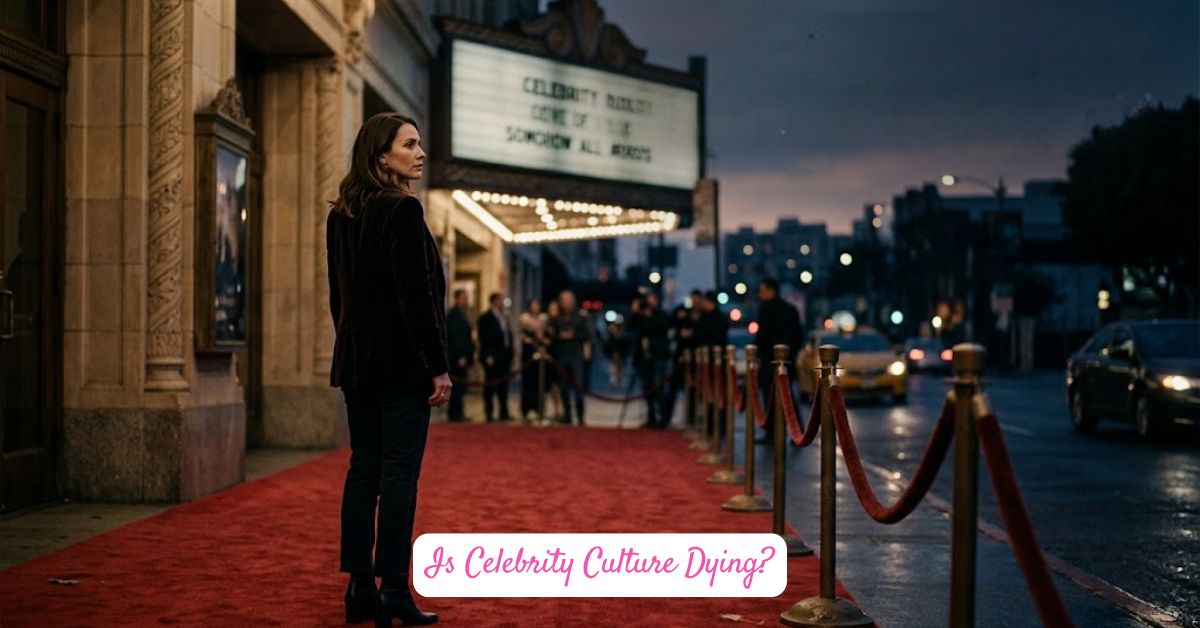
Is celebrity culture dying? The short answer is yes. But not in the way you might expect. The old form of celebrity culture is transforming into something very different. And frankly it is time we talked about how this affects all of us living in 2026.
And honestly? It deserves to change. The unrealistic beauty standards pushed by figures like Kylie Jenner and Kim Kardashian have done real damage to how young people see themselves. That conversation is not going away anytime soon.
The Death of Untouchable Gods
Remember when celebrities felt like mythical beings? When a photo of Brad Pitt at a grocery store could genuinely break the internet? Those days are becoming ancient history faster than your favourite childhood Disney Channel star can announce a comeback tour.
The old model of celebrity worship is being replaced by something built on relatability rather than star power. The shimmering, unapproachable figures from our television screens are being swapped out for people filming themselves having meltdowns over burnt toast or explaining why they have not showered in three days.
The shift is seismic. Celebrities have more access to fans than ever before. Yet celebrity adulation now comes packaged with celebrity criticism at the same speed. Think about the backlash Taylor Swift faced over her private jet use. Or how quickly we lost sympathy for celebrities complaining about quarantine from their mansions. The pedestal is crumbling in real time. You can see this playing out clearly in conversations around are the Kardashians losing their influence and whether that era of celebrity is genuinely over.
When Relatability Became the New Currency
Here is where things get interesting. Is celebrity culture dying because we found something better? That brings us back to one word. Authenticity. That magical term that makes every marketing manager’s heart leap.
Influencers do not carry that air of polished unreachability. The biggest YouTube stars rose to prominence sitting in their living rooms with low-resolution cameras, drugstore makeup, and Walmart tees. While Jennifer Lawrence tripping at an awards show was considered relatable, today’s content creators are showing you their grocery hauls and crying over student loans in real time.
The numbers back this up. A Trust in Influencer Marketing report found that 61 percent of participants trusted a sponsored post from a content creator more than a traditional celebrity endorsement. It is simply more convincing to hear skincare advice from someone who shops at the same drugstore as you than from a model surrounded by professional makeup artists.
Look at Charli XCX, who created brat summer not because she was perfectly put together but because she leaned fully into the messiness. Her appeal came from feeling genuinely unfiltered. An oversized t-shirt, a skanky miniskirt, and zero apologies. That energy connected with people in a way that no red carpet moment could replicate.
The Blockout Movement Changed Everything
2024 was the year fans finally said enough. The blockout movement emerged following the Met Gala and highlighted the dystopian gap between celebrities living in extreme luxury and the rest of the world struggling through economic hardship.
Suddenly celebrity culture was not just dying. It was being actively dismantled by its own fans. People began mass unfollowing celebrities. Not because they were boring but because silence in a moment that demanded a voice said everything. No polished Instagram story could undo that.
This went beyond teen rebellion. It was a genuine shift in what we expect from public figures. The hierarchy of the traditional star system began flattening. Authenticity and integrity started mattering more than fame and curated perfection. This connects directly to the rise of gen Z underconsumption lifestyle thinking where opting out of excess culture is becoming the default position for younger audiences.
The Rise of Digital Natives
So who is actually leading culture in 2026? TikTokers are landing Netflix deals. YouTubers are opening record labels. Instagrammers are sitting front row at Fashion Week. The gatekeepers have officially left the building.
But here is what is really interesting. Is celebrity culture dying or just evolving? Most digital creators are not trying to become the next Brad Pitt. They are building an entirely new category of fame. By 2026 we are already seeing brands shift toward micro-influencers with smaller but more devoted audiences because the return on investment is simply better.
Think about it this way. Who would you trust more for a restaurant recommendation? A famous chef or the food blogger who actually eats at places you can afford? The answer is increasingly obvious. This is exactly why how to become a nano influencer in 2026 has become such a relevant conversation. Small is genuinely the new big.
Why Traditional Celebrities Are Struggling
The problem is not that traditional celebrities are bad people. Well, some of them are. But that is a different conversation. The real problem is that celebrity culture was built on scarcity. Limited access, exclusive content, carefully managed personas. Social media destroyed scarcity overnight.
Excessive exposure has made celebrities indistinguishable from regular influencers. Sharing every aspect of their lives has made them smaller rather than larger than life. Once you can see what Gwyneth Paltrow ate for breakfast and what her political opinions are in the same scroll, the mystique evaporates instantly.
Most traditional celebrities are also simply not good at being relatable anymore. The “just like us” photos land differently when you have not thought about rent in two decades. The disconnect is visible and audiences are not forgiving about it. You can see this tension playing out in pieces like is Kylie Jenner really that influential where the gap between perceived and actual influence is being examined honestly.
The Future Is Not Starless, It Is Different
So is celebrity culture dying? Yes and no. The old version where we worshipped idols and bought magazines to see them doing ordinary human things is absolutely on life support.
But something new is taking its place. Fame is becoming less about individual stars and more about community. Authenticity is preferred over perfection. Platforms reward connection over spectacle. The most powerful figures in culture are increasingly those who can operate across both traditional and social media simultaneously. Taylor Swift and Doja Cat are good examples of artists who have mastered both worlds.
For fashion specifically this shift is enormous. The most influential voices shaping what people actually wear are no longer sitting in the front row at Paris Fashion Week. They are the creators covered in pieces like the most talented creators worldwide who are doing something genuinely different with their platforms.
What This Means for Us
Here is the thing about celebrity culture in 2026. It is more democratic than it has ever been. You do not need to be born rich, discovered by a talent scout, or have connections in Hollywood. You just need something worth saying and the determination to keep saying it.
Influencer culture now shapes our daily norms. Shopping habits, fashion trends, lifestyle choices. Research shows 79 percent of people have purchased a product after watching an influencer use it. We are no longer just consumers of culture. We are active participants in creating it.
But this democratisation comes with responsibility. When almost anyone can achieve internet fame, we need to be smarter about who we follow and why. The same authenticity that makes influencers trustworthy can become genuinely dangerous when that trust is used to promote misinformation or sell questionable products. This is part of why are bloggers losing their income to AI is such a pressing question right now. The entire creator economy is being reshaped at speed.
The Bottom Line
Is celebrity culture dying? The traditional version is gasping its last breath. And honestly, good riddance. What is replacing it is messier, more real, and far more entertaining. Instead of venerating people simply because they are famous, we are following people because they are genuinely helpful, entertaining, or inspiring.
Fame is no longer about being untouchable. It is about being real enough that people actually want to connect with you. It is not about accumulating fans. It is about building a community. And ideally having something of actual value to offer the world while doing it.
So the next time you find yourself more excited about a new TikTok creator’s video than a Hollywood blockbuster, you are not witnessing the death of celebrity culture. You are watching it evolve into something that actually serves people rather than the other way around. And honestly? It is about time.