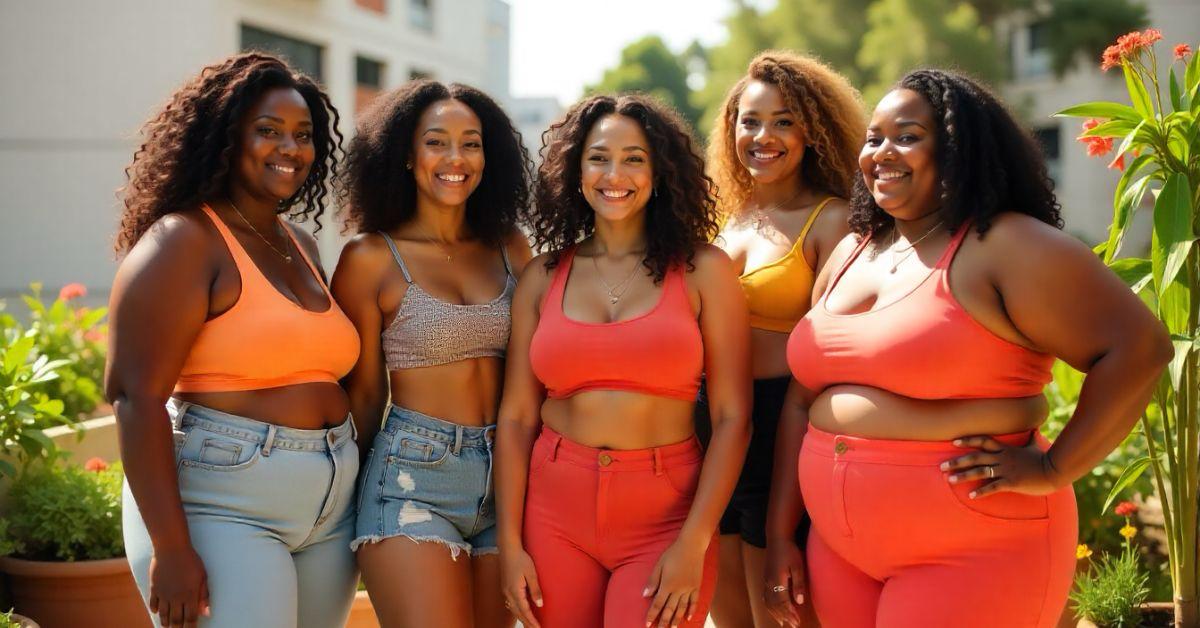
The last couple of years has seen the fashion and wellness industry on a fairly long rollercoaster ride, right? After the ultra-thin models of the early 2000s, to the curves-celebrating movement of the 2010s, there is currently something interesting taking place in 2025. Body positivity is making a comeback, but this time it’s different. It is less subtle, more all-inclusive, and more realistic as far as what self-love can actually look like in our Instagram-addicted world.
Let’s explore this interesting cultural change that is reforming the way we perceive bodies, beauty norms, and all the aspects in between.
The Evolution of Body Standards: Where We’ve Been
Have you ever remembered when size zero was considered too small? Nowadays, those days appear to belong to a past era. The body positive conversation has taken a new twist after we saw a celebrity like Mindy Kaling’s weight loss journey spark a lot of debate. The debate touched on health, happiness, and the pressure to meet specific ideals.
We have been swinging between extremes for decades. First it was about looking thin. Then it was about having curves. Now we are figuring out where we all stand. It’s exhausting, honestly.
What is body positivity in 2025? It’s not just about accepting all bodies anymore, though that’s still crucial. It’s about recognizing that health and happiness come in different packages. Sometimes that means acknowledging when someone’s journey includes weight changes for legitimate health reasons. If you want to feel better in your skin, check out these tips on how to make yourself more attractive without chasing unrealistic standards.
The Mindy Kaling Effect: When Celebrities Get Real About Health
Let’s talk about the elephant in the room. When Mindy Kaling’s weight loss became a hot topic, it was not just another celebrity transformation story. It opened doors for discussion about health, diabetes prevention, and the distinction between losing weight for health versus losing weight for social approval.
The body positivity movement initially faced criticism for potentially discouraging healthy lifestyle changes. The strategy Kaling uses is all about being powerful and well. It is not about having a particular appearance. That gave us a clear message. You can adopt body positivity and still make personal health choices.
This is the subtle shift propelling the rebirth. Individuals have had enough of black and white thinking. They want control over their bodies without being seen as betraying the movement.
The Skinny Debate: Redefining What We See as Beautiful
Here the pendulum continually swings, does it? After years of embracing curves and calling out the commodification of thin bodies in the fashion industry, we are now witnessing a more equal dialogue. Skinny bodies aren’t the enemy. Body shaming in any direction is.
The 2025 version of body positivity recognizes that some people are naturally thin. That’s okay too. It is not about embarrassing thin bodies or pressuring thin people to gain weight to fit a new ideal. It is about making space where we can all exist without judging each other.
This is also reflected in the body image trends for 2026, where the focus is shifting toward long-term wellbeing over fitting any one ideal.
People are not searching “how to get slim fast” anymore. They are asking better questions. How can I feel stronger? How can I improve my relationship with food? How can I feel good in my body?
Social Media’s Role in the New Body Positivity Movement
Instagram and TikTok are both a blessing and a curse for body image. On one hand, there is now more diversity in the bodies being celebrated. On the other hand, documenting every meal, workout, and progress photo has created new kinds of anxiety.
The comeback of body positivity in 2025 is partly a reaction to social media fatigue. People are demanding authenticity over perfection. They want to see real bodies doing real things. Not flawless mirror selfies with motivational quotes.
This shift is visible in how influencers and celebrities communicate. Many are focusing on mental health, sustainable habits, and informed health decisions. The quick fix culture is losing its grip. This is also connected to the rise of gen Z underconsumption lifestyle thinking, where doing less and living more intentionally is becoming the real flex.
The Health Factor: Where Body Positivity Meets Medical Reality
Here’s where the conversation gets really important. The new wave of body positivity does not ignore health concerns. It encourages people to work with medical providers to make the right choices for their own bodies.
It involves recognizing that weight loss is sometimes medically necessary. Other times it is purely a personal choice. A skinny woman is not automatically a healthy woman. And not being skinny does not automatically mean being unhealthy.
The movement is becoming more aware of health, genetics, and individual circumstances. It is leaving behind blanket statements. It is moving toward an individual approach that considers each person’s situation. Even the conversation around shapewear popularity is shifting. It is less about hiding your body and more about personal comfort and confidence.
Looking Forward: What Body Positivity Means for the Future
As we move further into 2025, body positivity is making a comeback with a more mature and inclusive approach. It is not about policing what people post or say about bodies. It is about giving people space to make choices without fear.
This is happening across industries. Fashion brands are expanding their size ranges. Not just because people want to feel included, but because it makes good business sense. Bodies come in different shapes. The fitness industry is also moving away from before-and-after messaging toward strong-and-capable messaging.
For shoppers who want stylish options without the luxury price tag, best online stores for curvy ladies in 2026 is a great place to start. That kind of practical support is exactly what this movement needs to back up its values.
There is also development in entertainment. Stories like Mindy Kaling’s weight loss are now framed around personal growth and health. It is less about how someone looks and more about how they feel in their own skin.
The Real Talk: Challenges and Criticisms
Let’s be honest. This movement isn’t without its critics. Some argue that body positivity has become too commercialized. Brands use it as a marketing tool rather than a genuine commitment to inclusivity. There are also concerns that celebrating all bodies could discourage necessary health measures.
These are valid concerns. The 2025 version of the movement is trying to address them. The focus is shifting toward empowering people to make healthy and informed decisions without social pressure or stigma.
It is about balance. Loving yourself as you are, while also doing what is right for your wellbeing as you grow and change. The is fast fashion really that bad debate carries a similar tension. Ethics, access, and self-expression are all tangled together. Nuance is replacing black and white thinking everywhere.
The Cultural Impact: Beyond Individual Choice
The comeback of body positivity is having ripple effects throughout our culture. It is influencing wellness programs at workplaces and schools. The conversation is expanding beyond personal choice to real issues like healthcare access, food equity, and mental health support.
This wider understanding recognizes that body image is not just a personal problem. It is shaped by social, economic, and cultural forces that affect different communities in different ways. The movement is also becoming more intersectional. It is taking into account race, class, and disability alongside body image and health.
This is also why conversations around queer fashion icons and gender fluid clothing are part of the same broader shift. How we dress and how we feel about our bodies are deeply connected.
Moving Forward with Intention
As body positivity makes its comeback in 2025, it is doing so with greater maturity and respect for personal journeys. Whether it is weight loss, weight gain, or staying exactly as you are, the goal is the same. Build a culture where those decisions come from self-love, not self-hate.
The future of this movement is not about having the ideal body or the perfect attitude. It is about embracing imperfection. It is about growing, evolving, and changing without losing sight of one simple truth. Everyone deserves dignity and care.
This resurgence is more than a trend. It is a transformation into a more grown-up, long-term way of thinking about bodies, health, and happiness. And honestly? It’s about time.